राष्ट्रीय साइबर अपराध प्रशिक्षण केंद्र
National Cybercrime Training Centre
National Cybercrime Training Centre








Welcome to the National Cybercrime Training Centre (CyTrain). Aim of the project is capacity building focused on combating cybercrimes, impact containment and investigations.
Objectives of CyTrain are Focusing on standardization of course curriculum,

Online personalised,interactive or virtual education, enabling dissemination of information and provide knowledge as tool for capacity building and optimizing resources.

In order to stay abreast with the latest developments, it is important to forge partnerships with domestic as well as International entities like UNODC, INTERPOL, CEPOL, FBI, EC3 of Europol etc.

This training curriculum will provide law enforcement officers with two certifications i.e. I4C Certified Specialist & I4C Certified Expert. Standardized certification can be nationally accepted, recognized and which can be presented in courts.

In cyberspace, criminals keep on adopting new modus operandi every day and therefore, simulation-based training methodology has to be contemporary. Training courses are more reflective of real-world cases and incidents.

General Investigator is the police officer that handles criminal cases in a wide variety of police o...Read

Cybercrime Intelligence Officers/Analysts are identifying and producing intelligence on ...Read
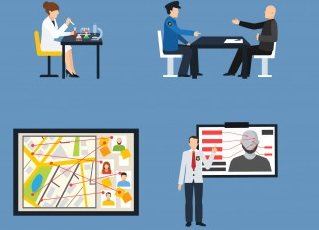
Cybercrime / Digital Forensics Head of Unit (SP / DCP): These professionals deal directly...Read

Judges / Prosecutors handle a wide variety of criminal cases. They should get an awareness of how cr...Read

First Responder Officer can be a PCR Van officer or the Emergency Officer of the Jurisdictional Po...Read
The main job of a Digital Forensics Specialist is to perform recovery and investigation...Read
Learning Material as on Today
Available Courses
Total Modules
 mti.png
 jdic.png

Module 1: Emerging Threat Landscape of Cyber Crimes
Module 2: Introduction to Computers
Module 3: Drafting a Report & Information Gathering
Module 4: Introduction to Social Media & Banking Frauds
Module 5: Cyber Laws
Assessment & Certification
Module 1: CDR, IPDR & Tower Dump Analysis – Theory
Module 2: Hard Disk Geometry
Module 3: Introduction to File Systems
Module 4: File Extensions & File Signatures
Module 5: Introduction to Hashing and Imaging
Module 6: Metadata Analysis Theory
Module 7: Log Analysis
Module 8: Registry Forensics
Module 9: Introduction to Encryption and Decryption Technique
Module 10: Windows System Artefacts
Module 11: DNS Abuse and Criminal Usage
Module 12: Browser Forensics
Module 13: Removable Storage Media Forensics
Module 14: Introduction to Deepweb and Darkweb
Module 15: Introduction to OSINT and SOCMINT
Module 16: Network Forensics
Module 17: Introduction to Malware Analysis
Module 18: Cloud Computing and Cloud Forensics
Module 19: Introduction to Virtualization
Module 20: Introduction to Blockchain and Cryptocurrency
Module 21: Introduction to Password Cracking Concepts
Module 22: Introduction to Internet of Things
Module 23: Anti-Forensics
Assessment & Certification