Available courses

Testing Testing Testing Testing Testing Testing Testing Testing Testing Testing

testing Course summary testing Course summary

responder testresponder testresponder testresponder testresponder testresponder testresponder testresponder testresponder testresponder testresponder testresponder testresponder testresponder testresponder test

Estimated Effort: 12 hours

Objective

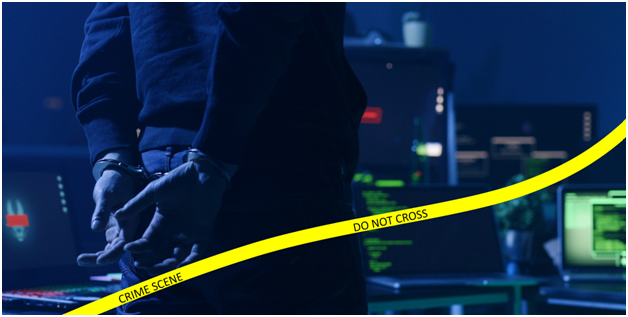
An incident responder is often the first police personnel to arrive at the scene of crime. An incident responder, therefore, must be aware of how technology affects crime, what is digital evidence and how it should be handled.

The basic level course for Incident Responder's track shall help the Law Enforcement Agencies gain an understanding of following subjects:

  1. Understand different types of cyber-crimes and its evolution over the years.
  2. Understand various technologies like Computers, Mobiles and Computer Network along with their hardware and software components.
  3. Understanding what digital evidence is and what can be found by analyzing digital Evidence.
  4. Incident Response Procedures- identifying, gathering, preserving digital evidence with proper chain of custody.
  5. Digital Crime Scene Management including search and seizure of evidence.
  6. Implications of data/evidence tampering and method to prevent and avoid data tampering and preserve authenticity of evidence.
  7. Standard Operating Procedure and major precautions which are required to taken before acquisition of digital evidence.
  8. Knowledge of current legislation and policies related to crimes using technology including the legal authority to obtain telecommunications information such as subscriber data.

The technology fundamentals and crime scene management is explained through case scenarios and demonstration/simulation of tools along with Standard Operating Procedures (SOP)
Estimated Effort: 8 Hours


Objective

Responders would be the first personnel to report to the scene of crime. These are the first officials to assess the complaint, the crime scene, nature of the crime, its modus operandi and the technology involved. Hence it is imperative that these officers are made aware about various cyber-crimes and their modus operandi along with handling the crime scene, and collection of both physical and digital evidence.

The objectives of this course is for Responders to gain an intermediate level knowledge of the following topics:-

  1. Introduction to Advanced Technologies like Cloud, SCADA, IOT and Drones.
  2. Introduction to IT Act and Associated Legislations including Admissibility of Electronic Evidence.
  3. Understanding Digital Crimes including Cyber Investigation Risks.
  4. Understand Incident Response Procedures including Search, Seizure, Packing, Forwarding and Documentation.
  5. Digital Evidence Acquisition Procedures and relevant Dos / Don’ts.
  6. Understand various SOPs for Handling Digital Evidence.

The prerequisite for this course is Responder Track – Basic Level Course.

Estimated Effort: 6 Hours


Objective

Cybercrime is constantly evolving. It is important for cybercrime incident responders to be aware of the latest development in technology being used by cyber criminals. This course is for cyber crime responders to get specific insight into new technology and trends and specific procedures and SOPs.

Objective of this course is for Incident Responders to gain knowledge ofthe followingtopics:-

  1. Handling new technology devices from the scene of crime like drones, smart vehicles, satellite and wireless communication devices.
  2. Understanding new trends in cyber-crime including social media frauds, banking frauds, supply chain frauds and ticketing system frauds.
  3. Handling cross border cybercrime cases including MLAT and LR.
  4. Understanding risks associated with technology and handing sensitive evidence in cybercrime cases.

The prerequisite for this course is Incident Responder Track – Intermediate Level Course.


Objective

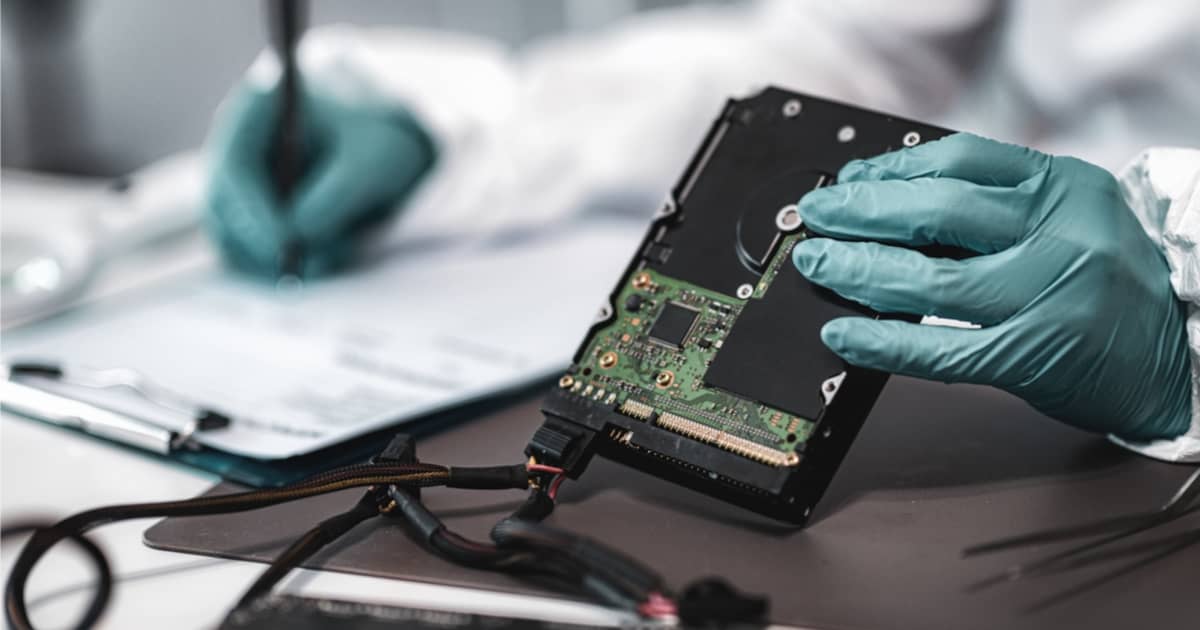
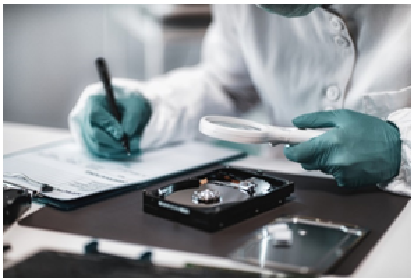
The Digital Forensics officer must have a technical background and practical knowledge ofcomputer forensic principles for identification and collection of digital evidence.

The basic level course for Incident Responder's track shall help the Law Enforcement Agencies gain an understanding of following subjects:

  1. Different types of cyber crimes.
  2. What is Digital evidence and analysis of digital Evidence.
  3. How to preserve the integrity of digital evidence, admissibility of digital evidence in court of law and maintaining the chain of custody.
  4. Familiarity with different operating systems and applications and file structures.
  5. Whatis digital forensics and different phases of digital forensics – Identification, Preservation, Acquisition, Authentication and Documentation, also known as IPAAD.
  6. Standard Operating Procedure for digital forensic process in Indian context.
  7. Importance of documentation and the documents to be submitted with digital evidence.
  8. Knowledge of relevant commercial and open-source digital forensics tools such as EnCase, FTK Imager etc.
  9. Usage of FTK Imager for acquisition of volatile and non-volatile digital evidence through tool demonstration and simulation.
  10. Usage of EnCase for analysis of evidence.

The cyber-crime fundamentals and handling of digital evidence is explained through case scenarios and demonstration/simulation of tools along with Standard Operating Procedures (SOP)
Estimated Effort: 8 Hours


Objective

The digital forensic domain involves forensic acquisition, analysis and reporting of digital artefacts from various digital devices such as computers, smart phones, feature phones, satellite phones, networking devices such as routers & switches, digital cameras, CCTV systems, GPS and other related devices. Digital devices can be volatile in nature and hence it is vital that the experts should know the different methods to collect volatile data. Due to different operating systems used by OEMs and manufacturer’s it is important to cover leading operating system based forensic techniques.

The objective of this course is for law enforcement agencies to gain an intermediate level knowledge of the following topics related to digital forensics:-

  1. Develop Cybercrime Awareness including Legal and Jurisdiction Issues in relation to Digital Forensics .
  2. Understand Live Data / Triaging Forensics for Laptops, Servers and Mobile Phones including overview of various Tools.
  3. Understand Random Access Memory (RAM) Analysis using Triage Tools.
  4. Insight into Windows Forensics including Registry, Data Hiding Locations, Event Log and Forensic Image Analysis.
  5. Overview of Linux & Mac Forensics including Filesystem Forensics.
  6. Understanding Mobile Forensics including various Platforms, Tools, SIM Card Data Extraction and Live Mobile Acquisition.
  7. Understanding Network Forensics including Protocol Analysis, Layer wise Analysis, Flow Analysis and Wireless Analysis.
  8. Malware Analysis and Reverse Engineering using Static, Dynamic, Code and Behavioural Analysis.
  9. Introduction to Virtual Machines and VM Forensics.
  10. Overview of Cloud Forensics including Legal Aspects.
  11. Internet of Things (IOT) Forensics including Smart Watch, Raspberry Pi and Arduino Forensics.
  12. Handling Encrypted Evidence and SOP.
  13. Collecting Artifacts of TOR Browser.

The prerequisite for this course is Digital Forensics Track – Basic Level Course.


Estimated Effort: 15 Hours
fdtac.pngfdtac.png


Objective

The solution of most of the advanced cybercrime cases require careful gathering and forensic investigation of digital evidence. Procedures of digital forensics must be known to cyber police personnel in order to open up pathways for investigation and also avoid technical pitfall while handling digital evidence.

The objective of this course is to provide understanding of the following areas relevant to digital forensics:-

  1. Mobile forensics including VOIP,mobile forensics, JTAG & Chip off techniques, forensics analysis of mobile phone data, analysis of mobile application and techniques for lawful interception of mobile phones.
  2. Understand Network Forensics including event log analysis, network device analysis and investigating DoS,phishing &web defacement attacks.
  3. Digital Forensics (Advance Level) using Commercial Tools including live / remote imaging.
  4. Advanced Malware Analysis including lab establishment, static and dynamic analysis of malware and overview of IDA.
  5. Advance Dark web and Cryptocurrency Forensics including TOR Browser, Understanding of crypto technology, blockchain and cryptocurrency analysis.
  6. Cloud Forensics to include cloud artefacts and Cloud Service Provider specific technologies and acquiring evidence from host PC.
  7. Forensics Scripting overview including SQL and SQLite.
  8. CCTV Forensics including SOP and enhancement of CCTV Footage/video clip
  9. Audio/Video Forensics and enhancement of audio / video clips.

The prerequisite for this course is Digital Forensics Track – Intermediate Level Course.


Objective

Investigating Officeris the police officer that handles criminal cases in a wide variety of police operational units. This investigating officer handles increasingly more technology related issues regarding the cases and therefore need to understand technology fundamentals and investigation of crimes using various technologies.

The basic level course for Investigation track shall help the Law Enforcement Agencies gain an understanding of following subjects:
  1. Different types of cyber-crimes and its evolution over the years.
  2. Modus operandi and usage of technologies to execute cyber-crimes.
  3. Identify the Do’s and Don’ts of cyber-crime investigation.
  4. What is digital evidence and analysis of digital Evidence.
  5. Legislation and policies related to cyber-crimes and digital evidence .
  6. How to preserve the integrity of digital evidence, admissibility of digital evidence in court of law and maintaining the chain of custody.
  7. Basics of the Internet, Surface, Deep and Darknet and Crypto Currency
  8. Standard Operating Procedures (SOP) for investigation of MobileApplication related financial frauds.
  9. Standard Operating Procedures (SOP)for handling complaints from Cyber Crime Portal.
  10. Standard Operating Procedures (SOP)for investigation of Email-based crimes.
  11. Call-based crimes, investigation of day-to-day crimes using Call Data Record, Examination of Call Detail Record (CDR).
  12. Analysis of IPDR & ILD CDR for crime investigation .
  13. CCTV evidence collection – handling complaints, Seizure toolkit, documenting details, pre-evidence collection, do’s and don’ts, and the process to retrieve videos.
  14. Open-Source Intelligence (OSINT) and how to gather relevant information using social media analytics with the help of various open-source tools.
The technology fundamentals and investigation of crimes using various technologies is explained through case scenarios and demonstration/simulation of tools/techniques along with Standard Operating Procedures (SOP).
Estimated Effort: 10 Hours


Objective

Investigating officers are responsible for investigating cybercrimes such as email frauds, scammers, social media related offences, offences involving audio/video footages etc. Officers in these cases are required to have sound knowledge related to the technology used by offenders to commit crimes.

The objective of this course is for Investigating Officers to gain an intermediate level knowledge of the following topics:-

  1. Investigation of Social Media Crimes like Cyber Stalking, Bullying, Fake Content etc and also understand Social Media Evidence Gathering.
  2. Investigation of Social Media Related Crimes for various Social Media Platforms like Facebook, Twitter etc.
  3. Investigation of YouTube Related Crimes including Platform Specifics and Legal Notice Preparation.
  4. Investigation of Fin-Tech Cases like ATM frauds, OTP frauds, OLX frauds etc.
  5. Tracking, Tracing and Trapping of Suspect or Criminals using Cyber Patrolling Methods and using GPS, Cell ID and other relevant Technologies.
  6. Understand Linux and Python as an Investigation Tools.
  7. Understanding and Interpretation of IT Act, IPC, CrPC and Indian Evidence Act and Role of various Cyber Agencies.

The prerequisite for this course is Investigation Track – Basic Level Course.


Estimated Effort: 9 Hours
itac.pngitac.png


Objective

Investigating officers are responsible for investigating cybercrime while also correlating other crimes with cyber evidence.Officers in these cases are required to have sound knowledge related to the technology used by offenders to commit crimes and procedures to investigate such crimes.

Objectives of this course is for these personnel to gain knowledge of following topics:-

  1. Advanced internet crime investigation including investigation of domain or IP driven crimes, investigation of live and deleted / deactivated websites, content removal procedures, evidence acquisition from webpages, legal noticesand tools for website investigation.
  2. Advanced email crime investigation including investigation procedures, data retrieval, header analysis, legal notices and tools.
  3. Advanced social media crime investigation including gathering evidence, sentiment analysis, legal notices and tools for social media investigations.
  4. Advanced network-based crimes investigations including introduction to network protocols, sources of evidence, data interception, packet level analysis, legal notices and tools for network investigations.
  5. Offensive investigation methods including understanding CVEs, VAPT, web application security including SQL injection, XSS and using pre-built tools for investigation and cautions while undertaking such investigations.
  6. Anti-forensic crime investigation including criminal MO, understanding cryptography, hashing, steganography, digital signatures and certificates, handling anti-forensics media and tools.
  7. Use of triage forensic artifacts for investigation including brushing of system files, identification of logs and log analysis for various types.
  8. Cyber-terrorism and dark web including recruitment, spread of propaganda on Internet, understanding botnets, honeypots, crypto currency investigation toolkit, search engine and other tools for dark-web investigation.

The prerequisite for this course is Digital Forensics Track – Intermediate Level Course.


Objective

Cybercrime Intelligence Officers/Analystsis required to identify and produce intelligence on cybercrime from raw information; assemble and analyze multisourceoperational intelligence; prepare and present intelligence briefings, prepare planning materials for photographic reconnaissance missions; analyze the results and prepare reports.

The basic level course for Intelligence Officers shall help the Law Enforcement Agencies gain an understanding of following subjects:

  1. Understand different types of cyber-crimes and its evolution over the years.
  2. Fundamentals of Cyber Intelligence covering OSINT, TECHINT, 360-Degree Profiling, Live tracking and monitoring, social engineering etc.
  3. Introduction to Surface, Deep & Dark Web and how dark web works
  4. Introduction to Social Media Working and Intelligence gathering from external sources and websites

The fundamentals of cyber intelligenceisexplained through case scenarios and demonstration/simulation of tools along with Standard Operating Procedures (SOP).


Estimated Effort: 6 Hours 25 Minutes
itic.pngitic.png


Objective

Cybercrime Intelligence Officers/Analysts identify and produceactionable intelligence on cybercrime from raw information. They assemble and analyseinputs from multiple sources. Strategic and operational crime analysis is typically carried out using Open-Source Intelligence (OSINT) tools and specialist databases.

Objectives of this course is for cybercrime intelligence officers / analysts is to gain an intermediate level of knowledge of followingtopics:-

  1. Understanding OSINT.
  2. Transforming information requirements to OSINT gathering methodologies.
  3. Using indirection techniques like Sock Puppet and innocuous accounts to safeguard investigator footprints.
  4. Prepare investigative machine for intelligence using websites, tools and plug-in or extensions.
  5. Understand social media analytics.
  6. Gathering relevant intelligence from various sources like Web, Email, social media platforms, networking apps and mobile devices.

The prerequisite for this course is Intelligence Track – Basic Level Course.


intell.pngintell.png


Objective

The importance of case intelligence gathering cannot be overemphasized in the case of handling cybercrime cases. Cybercriminals are often technically savvy but inadvertently leave many electronic traces.

The objectives of this course are to gain knowledge of following areas relevant to Intelligence gathering:

  1. Advanced OSINT including installation and configuration of OSINT tools.
  2. Advanced WEBINT including intelligence gathering from various sources like news, blogs, deactivated websites and procedures for web patrolling.
  3. Advanced SOCMINT to gather social media intelligence including concepts of target and sentiment analysis
  4. OSINT on images, videos and languages including metadata analysis, OCR techniques, language translation and scrapping procedures.
  5. Advanced HUMINT, SIGINT and GEOINT through public record gathering, location and GPS information extraction and predictive policing.
  6. Advanced Darknet Intelligence including gathering intelligence on crypto, use of darknet tools and techniques.
  7. OSINT Capture the Flag for gaining confidence on tools and techniques

The prerequisite for this course is Intelligence Track – Intermediate Level Course.


Objective

The Management/Administration Unitis required to take informed decisions in cybercrime cases or in other complex investigations involving cybercrime elements.Their role is to coordinate staff, allocate resources and prioritize policing activities.They should possess detailed overview of the capacity, capabilities and needs of the unit and provide it with the relevant training and tools that enable or facilitate investigation and examination of the evidence.

The basic level course for Management track shall help the Administrators gain an understanding of following subjects:

  1. Understand different types of cyber-crimes and its evolution over the years.
  2. Legal Challenges and Solutions while dealing with cyber crimes.
  3. Fundamentals of Digital Crime Scene Investigation – Chain of Custody, Hashing, Imaging, Network Investigations, Internet Investigations, Email Investigations, CDR/TDR Analysis, IPDR Analysis, CCTV Investigations etc.
  4. Fundamentals of Digital Forensic process .
  5. Managing a Cyber Crime Unit.
  6. Managing a Digital Forensics Unit.

The cybercrime fundamentals and cybercrime investigation are explained through case scenarios and demonstration/simulation of tools along with Standard Operating Procedures (SOP).

Estimated Effort: 8 Hours 53 Minutes
mti.pngmti.png


Objective

Staff of various cybercrime units dealdirectly with cyber investigators and experts. Their role is to plan, coordinate, direct and control activities of cybercrime units including training and procurement.They should have detailed overview of the capacity, capabilities and needs of theunit and provide it with the relevant training and tools that enable or facilitateinvestigation and examination of cybercrime evidence.

Objectives of this course is for these personnel to gain an intermediate level of knowledge of followingtopics:-

  1. Overview of Advanced Technologies like Software Defined Networks, Cloud, IoT/IIoT, SCADA, Drones and evidence collection and management for advanced technologies.
  2. Managing inter-state cyber-crime investigation and evidence management including documentation.
  3. Managing international investigations including challenges, tracking and tracing criminals across international borders, collecting and sharing evidence internationally.
  4. Management skillsrequired for investigation and forensics units including lab setup, procurement management, GFR, public procurement policy and training management of staff.

The prerequisite for this course is Management Track – Basic Level Course.


Estimated Effort: 4 Hours 43 Minutes
mangadv.pngmangadv.png


Objective

Cybercrime officers at senior level manage and coordinate cybercrime units in areas relevant to human capital management and resource management. They should have detailed knowledge of cybercrime investigation to create a facilitating environment for their subordinates to function effectively in the fight against cybercrime.

Objectives of this course is for these personnel to gain knowledge of following topics:

  1. Social media fundamentals including overview of various platforms, types of crimes and evidence from social media.
  2. Social Media Cyber Crimes including basic features of various platforms, LEA portals and management of information sharing requests for interstate and international cybercrimes
  3. Open-source intelligence including categories, target profiling and OSINT data visualisation

The prerequisite for this course is Management Track – Intermediate Level Course.


Objective

Judges/Prosecutors handle a wide variety of criminal cases. They should get anawareness of how crime can be facilitated by technology and what digital evidence is and how it can be used in a case.

The basic level course for Judiciary track shall help the Law Enforcement Agencies gain an understanding of following subjects:

  1. Different types of cyber-crimes and its evolution over the years.
  2. Legal Challenges and Solutionswhile dealing with cyber crimes .
  3. Understanding what digital evidence is and what can be found by analyzing digital Evidence.
  4. Understanding fundamentals of technology used in investigation such as Internet Basics, Email Investigations, Social Media Basics, Open Source Intelligence (OSINT) etc.
  5. Fundamentals of Digital Forensic process.

The technology fundamentals and investigation of crimes using various technologies is explained through case scenarios and demonstration/simulation of tools/techniques along with Standard Operating Procedures (SOP).


Estimated Effort: 8 Hours 48 Minutes
jdic.pngjdic.png


Objective

Personnel associated with the Judiciary dealing with crime cases or specifically cybercrime cases need specialized technology awareness, cybercrime awareness and digital evidence skills.

The objective of this course is to provide an intermediate level understanding of the following areas:-

  1. Technology fundamentalsincluding computing devices, storage technologies, networking and Internettechnologies. EMail architecture, Social media platforms and Video footage technologies.
  2. Understanding various types of cybercrimes including identity theft, cyber bullying, stalking, various frauds, IPR infringements, website hacking, ransomware, phishing.
  3. Understanding of electronic evidence including device / internet evidence, volatile and non-volatile evidence, electronic logs, procedures for search & seizure including documentation .
  4. Understanding trans-boundary crimes and legal procedures including Budapest Convention, MLAT / LR and interaction with Internet Services Providers (ISPs) and Telecom Service Providers (TSPs).

The prerequisite for this course is Judiciary Track – Basic Level Course.


Estimated Effort: 5 Hours 54 Minutes
it.jpgit.jpg


Objective

The IT Forensic Analyst must have a background and practical knowledge of Basic principles of Computer and Cyber Forensics for the purpose of identification and collection of Digital evidences.

The basic level course track on IT shall help the Law Enforcement Agencies gain an understanding of following subjects:
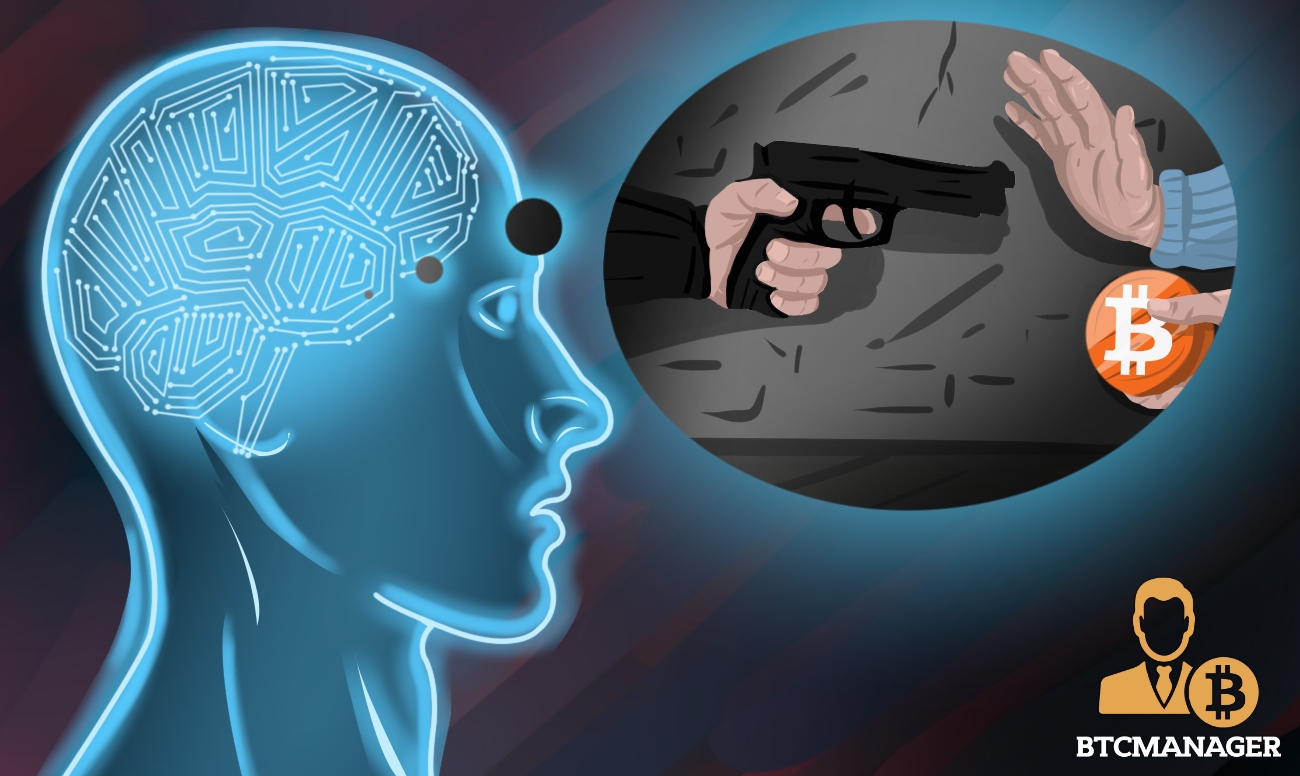
  1. What is the role of Technology in Policing: Improving Police deployments and enhancing their strategies by the use of new techniques like: Drones, Brain Fingerprinting, etc
  2. Different Software packages in aiding Investigations: Vahan Samanvay, Color Portrait building system (CPBS)
  3. Computerized Portrait/Sketching: Different techniques for Computerized sketching and its advantages over Manual sketching
  4. What is Crime and Criminal Tracking Network and Systems (CCTNS): Roles and responsibilities of Police officials under it at various levels
  5. Use of Mobile Application in Policing: Geo location tracking, Filing FIR visible across India, Integrations requirements for Mobile based application usage in Policing
  6. What are the different Branches of Cyber Forensics
  7. IP and Techniques of IP Grabbing: E-mail tracing methodologies
  8. Social Media Analysis: What is OSINT; Techniques of Intelligence gathering on different Social media platforms
  9. Mobile communication CDR Analysis: Basic terminologies related to Mobile communications, Types of CDR and related concepts.
  10. What are Credit Card Frauds: Definition and its types
  11. What is Digital Evidence: Definition, sources and its Types
  12. What are the Legal aspects of Cybercrimes and associated Digital evidences

 Module 1: Emerging Threat Landscape of Cyber Crimes

Module 2: Introduction to Computers

  • Introduction to Computers
  • Quiz to Chapter 2

Module 3: Drafting a Report & Information Gathering

  • Drafting a Report & Information Gathering
  • Quiz to Chapter 3

Module 4: Introduction to Social Media & Banking Frauds

  • Introduction to Social Media & Banking Frauds
  • Quiz to Chapter 4

Module 5: Cyber Laws

  • Cyber Laws
  • Quiz to Chapter 5

Assessment & Certification

  • Course Completion Examination
  • Course Completion Certificate

Estimated Effort: 40

 Module 1: CDR, IPDR & Tower Dump Analysis – Theory

 Module 2: Hard Disk Geometry

  • Hard Disk Geometry
  • Quiz to Chapter 2

 Module 3: Introduction to File Systems

  • Introduction to File Systems
  • Quiz to Chapter 3

 Module 4: File Extensions & File Signatures

  • File Extensions & File Signatures
  • Quiz to Chapter 4

 Module 5: Introduction to Hashing and Imaging

  • Introduction to Hashing and Imaging
  • Quiz to Chapter 5

 Module 6: Metadata Analysis Theory

  • Metadata Analysis Theory
  • Quiz to Chapter 6

 Module 7: Log Analysis

  • Log Analysis
  • Quiz to Chapter 7

 Module 8: Registry Forensics

  • Registry Forensics
  • Quiz to Chapter 8

 Module 9: Introduction to Encryption and Decryption Technique

  • Introduction to Encryption and Decryption Technique
  • Quiz to Chapter 9

 Module 10: Windows System Artefacts

  • Windows System Artefacts
  • Quiz to Chapter 10

 Module 11: DNS Abuse and Criminal Usage

  • DNS Abuse and Criminal Usage
  • Quiz to Chapter 11

 Module 12: Browser Forensics

  • Browser Forensics
  • Quiz to Chapter 12

 Module 13: Removable Storage Media Forensics

  • Removable Storage Media Forensics
  • Quiz to Chapter 13

 Module 14: Introduction to Deepweb and Darkweb

  • Introduction to Deepweb and Darkweb
  • Quiz to Chapter 14

 Module 15: Introduction to OSINT and SOCMINT

  • Introduction to OSINT and SOCMINT
  • Quiz to Chapter 15

 Module 16: Network Forensics

  • Network Forensics
  • Quiz to Chapter 16

 Module 17: Introduction to Malware Analysis

  • Introduction to Malware Analysis
  • Quiz to Chapter 17

 Module 18: Cloud Computing and Cloud Forensics

  • Cloud Computing and Cloud Forensics
  • Quiz to Chapter 18

 Module 19: Introduction to Virtualization

  • Introduction to Virtualization
  • Quiz to Chapter 19

 Module 20: Introduction to Blockchain and Cryptocurrency

  • Introduction to Blockchain and Cryptocurrency
  • Quiz to Chapter 20

 Module 21: Introduction to Password Cracking Concepts

  • Introduction to Password Cracking Concepts
  • Quiz to Chapter 21

 Module 22: Introduction to Internet of Things

  • Introduction to Internet of Things
  • Quiz to Chapter 22

 Module 23: Anti-Forensics

  • Anti-Forensics
  • Quiz to Chapter 23

Assessment & Certification

  • Course Completion Examination assed
  • Course completion certificate

Estimated Effort: 40

  • Banking Frauds
  • Online Dating Sites Frauds
  • Social Media Frauds
  • ATM Frauds
  • SIM Card Frauds
  • Online Wallet Fraud

Estimated Effort: 30

1. Andriller Tool Use Case

21. OSForensics Tool Use Case

2. Blurity Tool Use Case

22. Procmon Tool Use Case

3. Browser history examiner Tool Use Case

23. Process Explorer Tool Use Case

4. Bulk Extractor Tool Use Case

24. Recuva Tool Use Case

5. Disk wipe Tool Use Case

25. Redline Tool Use Case

6. Exiftool Tool Use Case

26. Rufus Tool Use Case

7. File Matadata Tool Use Case

27. Splunk Tool Use Case

8. Hash Calc Tool Use Case

28. Sys Analyzer Tool Use Case

9. Hash My file Tool Use Case

29. TCP view Tool Use Case

10. Helix Tool Use Case

30. Tor Tool Use Case

11. Hex editor Neo Tool Use Case

31. Unknown_File_Hunter Tool Use Case

12. HxD Tool Use Case

32. USB Device View Tool Use Case

13. Jpeg Snoop Tool Use Case

33. Veracrypt Tool Use Case

14. Kernel for Exchange Server Tool Use Case

34. Volatility Tool Use Case

15. Log parsar Tool Use Case

35. WFA Tool Use Case

16. Magnet RAM Capture Tool Use Case

36. Win Audit Tool Use Case

17. Maltego Carbon Set Up Tool Use Case

37. Win IP Config Tool Use Case

18. Malwarebytes Tool Use Case

38. WIRESHARK Tool Use Case

19. Manage Engine Desktop Tool Use Case

39. Autopsy Tool Use Case

20. Network Miner Tool Use Case

40. MD5 Summer Tool Use Case

Access the Virtual Cyber Lab


Estimated Effort: 12 hours

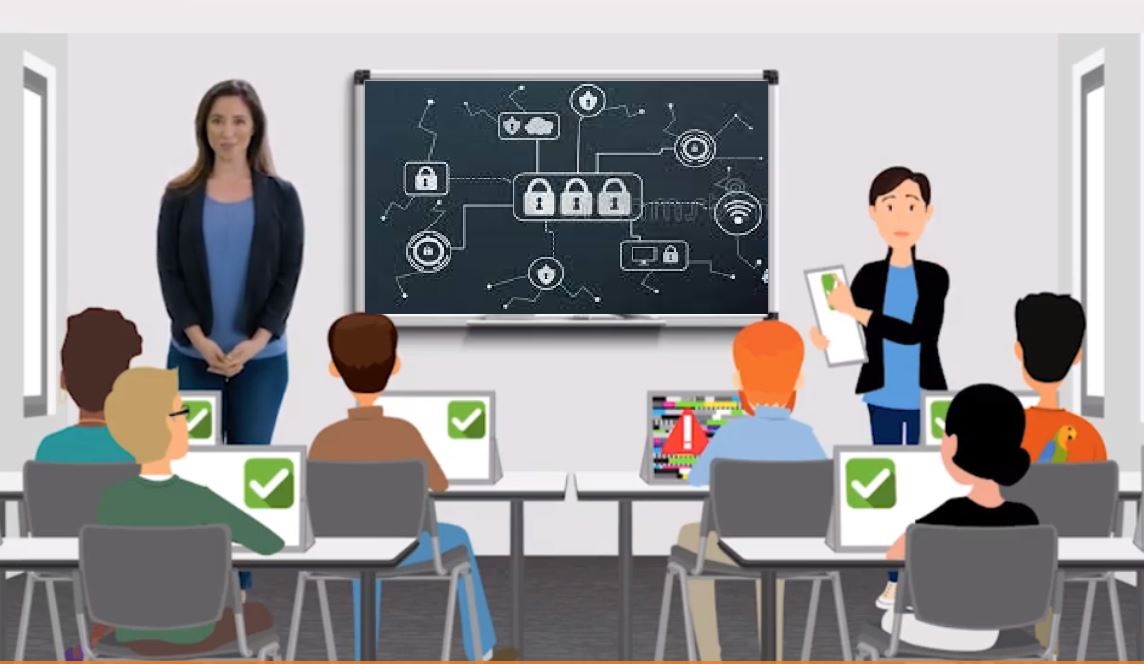
The Cyber Security Training for Teachers course is designed to provide teachers with an overview of prevalent cyber frauds, importance of cyber security and how to protect themselves and their students in digital world. The course targets Government School Teachers at Central and State Level.

The Teacher course for Cyber Awareness Track shall help the Teachers gain an understanding of following subjects:-
1. Cyber Crime Landscape
2. Cyber Crime Definition and Types
3. Computer, Mobile and Smart Devices Safety
4. Identity Theft
5. Psychological Tricks/ Social Engineering
6. Social Media Related Cyber Frauds
7. Online Banking Frauds
8. Classroom/ School Safety from Cyber Frauds
9. Cyber Safety for Students
10. Legal and Regulatory Guidelines
11. Introduction to Privacy and Data Protection

Estimated Effort: 12 Hours